

AI as a Tool or Human as the Tool?
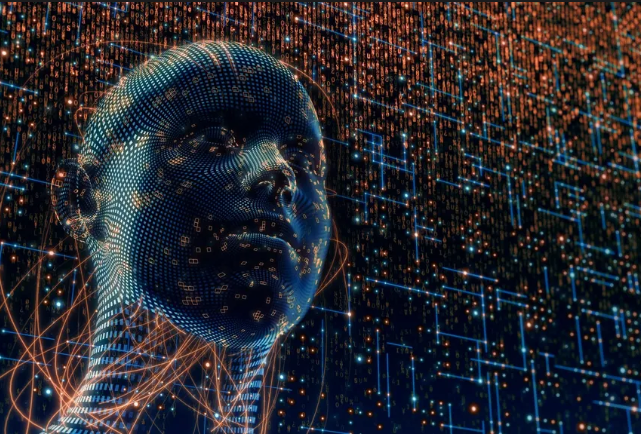
Image all rights reserved: To Bulletin Independent and Getty Images (https://shorturl.at/bwuBA)
We are entering an era where the line between the "Architect" and the "Assistant" is blurring. Are we directing the AI, or are we simply becoming quality controllers?
The Shift in Perspective
For decades, tools were passive. A hammer waits for a hand; a code editor waits for a keystroke. But Large Language Models (LLMs) are active. When you prompt an AI to create a component, it doesn't just provide a platform—it provides the work itself.
"The danger is not that computers will begin to think like men, but that men will begin to think like computers." — Sydney J. Harris
AI as the Tool (The Optimizer)
In the best-case scenario, AI is a power multiplier. It handles repetitive tasks—like setting up your specific Light Mode variables—allowing you to focus on the creative architecture of the site.
// Example of automating theme logic with precision
const applyTheme = (theme) => {
    document.body.className = theme + '-theme';
    localStorage.setItem('theme', theme);
};
Human as the Tool (The Risk)
The danger lies in efficiency at the cost of agency. If we stop understanding why a certain layout property was used and simply trust the output, we become "The Prompt Engineer" rather than the Developer.
Conclusion
In building this portfolio, I've found that the human must remain the System Architect. AI is incredible for execution but poor for intent. We must use AI to automate the known, so we have the mental bandwidth to explore the unknown.
Discussion