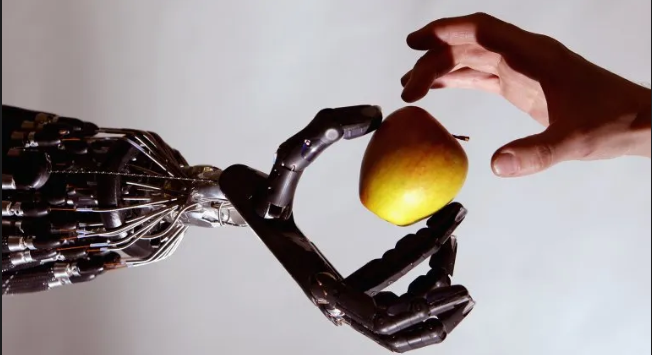
From medicine to law, and from artistry to engineering, the "Safety Net" of AI is slowly becoming the "Floor" we stand on. What happens when we forget how to walk without it?
The Automation of Judgment
In 2026, the risk isn't just physical automation; it's the automation of critical judgment. A doctor may rely on an AI diagnostic tool, or a lawyer might use an LLM to find precedents. The danger arises when the human professional stops being the primary investigator and becomes a mere "approver" of algorithmic suggestions.
"The real problem is not whether machines think, but whether men do." — B.F. Skinner
The Skill-Fade Phenomenon
When a career becomes too reliant on AI, "skill-fade" begins. Just as we no longer memorize phone numbers because of smartphones, professionals risk losing the "muscle memory" of their trade. In development, this looks like forgetting how to handle DOM manipulation without an AI assistant.
// Maintaining precision even in simple logic
const checkDependencyLevel = (taskComplexity) => {
    const threshold = 0.85;
    if (taskComplexity > threshold) {
        console.warn("Manual Review Required: Do not rely solely on AI;");
        return "Human Oversight";
    };
    return "Automated Assist";
};
Reclaiming the "Heavy Lifting"
As I state in my bio, we must thrive to look for solutions ourselves. Whether you are a writer or a coder, the "heavy lifting" is where the growth happens. AI should be a consultant, not the decision-maker. To combat dependency, we must intentionally practice "analog" problem-solving—mapping out systems before the AI has a chance to intervene.
Conclusion
Dependency is a cognitive habit. By maintaining high standards of precision and refusing to offload our critical thinking, we ensure that we remain the masters of our respective crafts, regardless of how powerful the tools become.
Discussion